

When I first started using turmeric oil, I’ll be honest…I had no clue what I was doing.
All I knew—courtesy of my grandmother’s Sunday rituals—was that turmeric healed, glowed, and somewhere in between? It just made your skin feel… loved.
Now much later, with a whole decade of skincare experience under my belt, I know exactly how to use turmeric oil for skin lightening effectively.
Incorporating turmeric oil has become my secret weapon—and the empowering part? When combined with powerhouse products like the Nasola Kojic Acid Turmeric Skincare Bio Oil or Nasola Kojic Acid Argan Skincare Bio Oil, results don’t just knock… they kick the door down.
So if you’re someone who’s been staring at that stubborn dark spot since 2021, keep reading.
- How to Use Turmeric Oil for Skin Lightening
- Pairing with Nasola Kojic Acid Turmeric Skincare Bio Oil
- Ingredient Spotlight: Kojic Acid
- How to Choose the Right Oils to Mix with Turmeric Oil
- Understanding Melanin Reduction With Turmeric and Brightening Oils
- Turmeric Oil Safety Tips and Best Practices
- Creating a Simple AM/PM Routine With Turmeric Oil
- Conclusion
- Frequently Asked Questions
How to Use Turmeric Oil for Skin Lightening
Let’s talk glow-ups—real ones. If you Google “how to use turmeric oil for skin lightening,” you’ll find half a million answers.
But what actually works?
Turmeric oil works best when applied thoughtfully, diluted properly, and paired with ingredients that stimulate cell turnover and fade pigmentation. When combined strategically, it doesn’t just sit on your skin—it works for it.
Turmeric Oil Benefits for Skin Brightening
Turmeric oil isn’t a fad—it’s a science-backed natural solution packed with curcumin, a compound known for reducing melanin production and inflammation.
Want to know why it’s a skincare darling?
- It fades dark spots with consistent use
- Tackles skin discoloration naturally
- Calms inflammation caused by acne
- Speeds up the healing process of skin tissues
Turmeric oil is particularly great post-breakout. It reduces residual redness and gently lightens what’s left—no drama.
But here’s what most people forget:
You’ve got to use it consistently, AND…
Use the right stuff with it. Like products containing kojic acid or salicylic acid for that extra push.
Products like the Nasola Kojic Acid Turmeric Skincare Bio Oil make the most of turmeric’s power by combining it with scientifically validated lighteners.
Best Application Methods
Here’s where things get fun (and effective):
If you’re wondering how to use turmeric oil for skin lightening and actually enjoy the process—start with these methods:
- Dilute it with a carrier oil. Trust me, turmeric oil is potent. Mix 1–2 drops into jojoba, argan, or coconut oil.
- Use it post-cleansing. Apply it before your moisturizer to allow those actives to dive deep.
- Blend it into existing serums or face oils. This intensifies benefits while ensuring even application.
- Always layer with sunscreen during the day. This is non-negotiable if you’re lightening skin.
I love mixing a couple drops into my serum at night. Waking up looking 12% more like my best self? Yes please.
Pairing with Nasola Kojic Acid Turmeric Skincare Bio Oil

I said it before, I’ll say it again: turmeric oil shines, but you’ve got to let it shine smartly.
And by smartly, I mean pairing it with the Nasola Kojic Acid Turmeric Skincare Bio Oil. This is the dynamic duo of skin lightening—you get the anti-inflammatory strength of turmeric with the melanin-reducing magic of kojic acid.
Here’s why this product is a must-have:
- Combines turmeric oil and kojic acid for double skin-brightening power
- Naturally fades pigmentation without bleaching
- Lightweight texture sinks in without greasiness
- Excellent for uneven tone and post-acne marks
Recommended Routine: Apply the Nasola Kojic Acid Turmeric Skincare Bio Oil after cleansing, especially at night.
It won’t sting. It won’t clog. It’ll just silently get things done.
Ingredient Spotlight: Kojic Acid
Let’s shine a flashlight on an MVP that makes turmeric oil even more effective: Kojic acid.
When people ask me about how to use turmeric oil for skin lightening effectively, I always point them here.
Why? Because pairing turmeric oil with kojic acid transforms the results from slow and maybe someday into brightening magic you can measure.
What Makes Kojic Acid an Effective Skin Brightener
Kojic acid doesn’t play.
This ingredient suppresses tyrosinase—basically the thing in your skin that screams “make more melanin!”
Here’s the juice:
- Inhibits pigment production at its root
- Wins at fading sunspots and acne marks
- Enhances turmeric oil’s brightening capacity
- Gentle alternative to hydroquinone
If you’re trying to lighten naturally without harsh side effects, kojic acid delivers real results.
No BS. Just visibly even tone.
Ideal Product Pairings
Looking for a glow that doesn’t flake your budget or your face?
Check out the Nasola Kojic Acid Argan Skincare Bio Oil. This formulation is:
- Rich in antioxidants thanks to argan oil
- Brightening through kojic acid infusion
- Hydrating without feeling heavy
- Ideal for sensitive, dry, or combo skin types
The combo of hydration + tone correction? Peak indulgence. And zero guilt.
How to Choose the Right Oils to Mix with Turmeric Oil
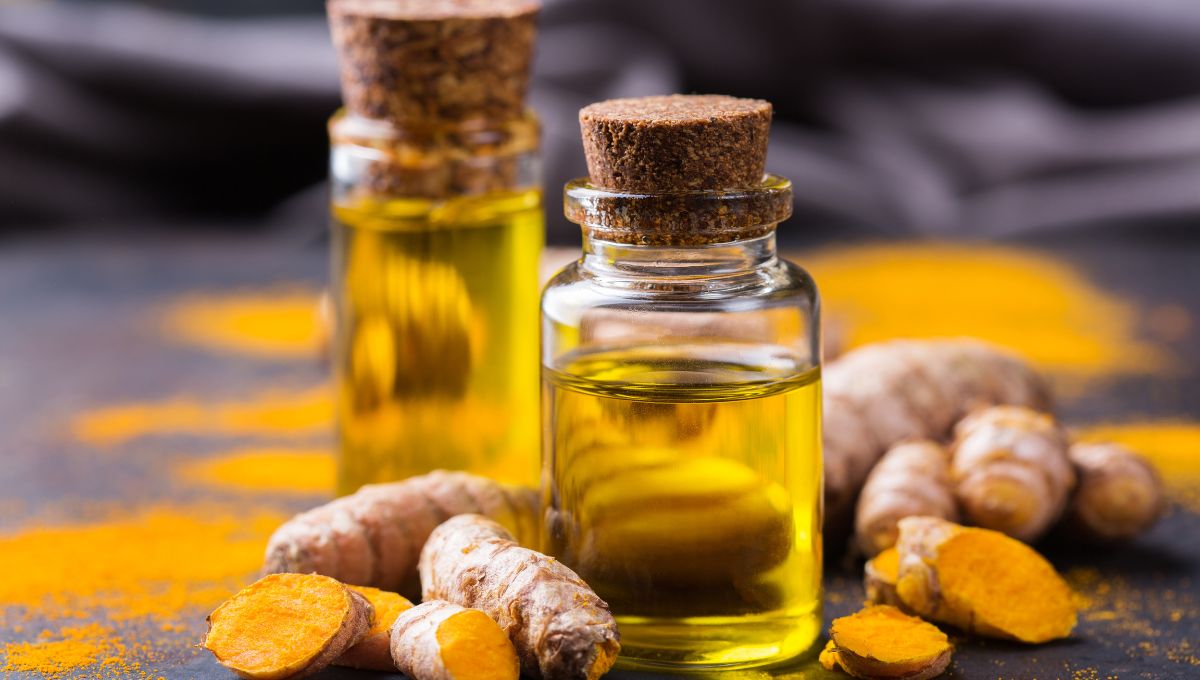
Mixing turmeric oil isn’t as tricky as it seems. But choosing oils that complement your skin type? Crucial.
Here’s what most people mess up: they assume “oils make you break out.” Nope. The wrong oils cause trouble.
Here’s how I balance turmeric oil safely—and luxuriously.
Argan Oil and Turmeric
Argan oil is basically liquid gold. And when you pair it with turmeric oil? Game. On.
- Contains vitamin E for healing and glow
- Non-comedogenic for oily or acne-prone skin
- Fights free radical damage
- Smooths rough texture over time
Use this duo with the Nasola Kojic Acid Argan Skincare Bio Oil. It already has both ingredients. No need for kitchen experiments.
It’s smooth. It’s easy. And yep—it works.
Tea Tree Oil and Turmeric Oil
For acne-prone skin, meet your power blend: turmeric oil + tea tree + salicylic acid.
Together, they:
- Fight bacteria that cause breakouts
- Calm swelling and surface redness
- Fade post-inflammation hyperpigmentation
- Encourage faster skin turnover
You can find all three ingredients packed into the Nasola Kojic Acid Tea Tree Skincare Bio Oil With Salicylic Acid. It’s powerful, balanced, and shockingly gentle.
Perfect for anyone who wants bright, clear skin without 14 steps.
Understanding Melanin Reduction With Turmeric and Brightening Oils
Let’s level-set expectations. You’re not going to wake up overnight with completely even-toned skin.
But if your goal is to gradually brighten, fade spots, and return to your skin’s actual tone—turmeric oil and kojic acid are your best bet.
The Science of Skin Lightening With Natural Oils
Turmeric oil disrupts melanin overproduction. Kojic acid halts tyrosinase action before it even begins.
Together, here’s what they do:
- Lighten scars, spots, and sun-induced pigmentation
- Prevent new spots from forming
- Soothe inflammation that worsens discoloration
- Encourage radiant, smooth texture
Important note? Skip the scary bleaches.
You don’t need them. These ingredients are helper-bees… slow but oh-so-satisfying.
Product Combo That Targets Melanin Overproduction
Let me introduce my skincare ride or die: the Nasola Silk Glow Bundle.
This collection includes:
- Treatment oils with kojic acid + turmeric
- Exfoliating elements to remove old layers
- Hydrators to protect your skin barrier
- A built-in glow plan that’s ACTUALLY cohesive
It’s a full system that encourages skin renewal, and the glow-up it delivers? More like glow reveal.
Turmeric Oil Safety Tips and Best Practices

Turmeric oil is potent, which makes it powerful… but also something to treat respectfully.
Using it wrong could leave behind stains or sensitivity—and I’ve seen enough yellow pillowcases to last a lifetime.
Precautions to Prevent Yellow Staining or Irritation
Before you slather:
- Always dilute turmeric oil—never apply it raw
- Don’t use on broken, irritated, or freshly exfoliated skin
- Avoid white fabrics or pillowcases directly after application
- Start with once a week and monitor your skin
Think of turmeric oil as strong coffee—add creamer (aka a carrier oil) first.
It’ll still deliver, but now it’s palatable… and practical.
Patch Testing Your Skincare Routine
Patch testing isn’t just for overly cautious people—it’s your built-in insurance policy.
So how to do it? Easy:
- Apply a small diluted amount behind your ear
- Watch for redness, bumpiness, or itchiness over 24 hours
- If clear, you’re green-lit to use on your face
- Do this with ANY new formula or product
This matters even with clean products like the Nasola Kojic Acid Turmeric Skincare Bio Oil. Because your skin deserves thoughtful care, not guesses.
Creating a Simple AM/PM Routine With Turmeric Oil
Here’s a bonus walk-through for those feeling beauty-overwhelmed (Hi 👋 You are not alone!)
Whether you’re a minimalist or skincare maximalist, here’s how to use turmeric oil for skin lightening both morning and night.
Morning Routine Using Turmeric Oil for Skin Brightening
Your AM game plan:
- Gentle cleanser (micellar or low pH)
- Balancing toner (optional)
- Apply diluted turmeric oil or Nasola Kojic Acid Argan Skincare Bio Oil
- Moisturizer
- Broad spectrum SPF (ALWAYS!)
Tip: Let the oil settle for 3–5 minutes before sunscreen.
Nighttime Routine to Maximize Turmeric Oil Benefits
Evening is when skin is in repair mode—perfect time for turmeric + kojic acid work.
- Double cleanse to remove grime and SPF
- Exfoliate gently if it’s your exfoliation day (2–3 times/week max)
- Apply Nasola Kojic Acid Turmeric Skincare Bio Oil
- Pair with your favorite moisturizer (or skip if combo skin)
- Sleep well knowing your skin is putting in the work
Stick to this for 4–6 weeks. You’ll feel confident even in no-makeup Zoom calls.
Conclusion
Now that you know how to use turmeric oil for skin lightening, the question isn’t “does it work?”—it’s “how consistent are you willing to be?”
Turmeric oil, especially when paired with kojic acid, can reduce dark spots, fight sun-damage, and help you embrace smoother, lighter skin—naturally.
Standout product picks like the Nasola Kojic Acid Turmeric Skincare Bio Oil make it easy. For a full routine, the Nasola Silk Glow Bundle is your one-stop radiant revolution.
Glow won’t come overnight. But give it four consistent weeks?
You’ll believe in lady turmeric too.
Frequently Asked Questions
You can use turmeric oil 2–3 times a week if properly diluted. Overuse may cause staining or sensitivity, so always listen to your skin and adjust accordingly.
Yes, turmeric oil contains anti-inflammatory and skin-brightening compounds like curcumin that support fading dark marks and regenerating skin post-acne.
Try the Nasola Kojic Acid Tea Tree Skincare Bio Oil With Salicylic Acid if you’re breakout-prone. The tea tree treats acne while kojic acid and turmeric cooperate to lighten post-acne spots.
That would be the Nasola Kojic Acid Turmeric Skincare Bio Oil. It combines both ingredients for a powerful yet gentle brightening blend.
If diluted, some can use it daily without issues. However, 2–4 uses per week is often ideal. Those needing daily treatment can opt for a gentler multitasker like Nasola Kojic Acid Argan Skincare Bio Oil.
Turmeric oil evens out excess pigmentation but doesn’t bleach. It works best for correcting dark spots, sun damage, and acne scarring—revealing your natural, even glow.
Most users see results within 4–6 weeks of consistent use, especially when using a system like the Nasola Silk Glow Bundle.
Yes, and it should be. Use it under daily broad-spectrum SPF to prevent melanin from reactivating due to UV exposure.
Turmeric oil is generally non-comedogenic when diluted. For acne-prone types, use formulations like Nasola Kojic Acid Tea Tree Skincare Bio Oil With Salicylic Acid.
At night, reach for Nasola Kojic Acid Turmeric Skincare Bio Oil, which offers deep treatment during your skin’s repair cycle.